

A brief visit from a backyard bird can become a moment worth watching, learning about, and sharing. By combining traditional bird feeding with cameras, wireless connectivity, and AI identification, smart bird feeders make these encounters easier to capture—even when users are away from home.
For brands and distributors, the category connects established interest in backyard birdwatching with demand for convenient, engaging technology. Its market potential depends on how effectively products turn that interest into a rewarding everyday experience.
An Established Audience for Backyard Birdwatching
According to the U.S. Fish and Wildlife Service’s 2022 survey, approximately 96 million Americans aged 16 and older participated in birdwatching, including around 91 million who watched birds around their homes. In the UK, more than 650,000 people took part in the RSPB’s 2026 Big Garden Birdwatch. These figures demonstrate a substantial audience for observing birds close to home.
Participation does not translate directly into smart feeder purchases. However, it provides a foundation for exploring demand among existing bird-feeding enthusiasts and households discovering the activity for the first time.
For experienced users, a camera-equipped feeder offers a closer view and a record of visits they might otherwise miss. For beginners, notifications and identification features can make birdwatching more accessible. Family learning, nature appreciation, and sharing wildlife moments are potential sources of lasting appeal.
From Capturing Visits to Understanding Birds
Camera functionality lets users observe plumage, movements, and feeding behavior in detail. Bird-visit notifications help them catch activity without constantly checking a live feed, while recordings allow them to revisit moments later.
AI identification adds another layer of interest. Beyond seeing that a bird has arrived, users can learn which species is visiting. This can encourage curiosity and help turn occasional viewing into an ongoing hobby.
Delivering that experience requires more than a resolution specification. Camera placement, trigger response, framing, and performance in backlit conditions all affect whether a brief visit produces useful footage. Reliable capture provides the foundation for identification and an enjoyable viewing experience.
Everyday Usability Shapes Long-Term Value
A smart bird feeder is both an outdoor electronic device and a feeding station. Users need to refill it, remove leftover food, clean feeding areas, and maintain the camera and power supply. Refill access, removable components, moisture management, and suitable power options therefore deserve attention alongside digital features.
Visits from squirrels can also affect the experience. Squirrel detection and deterrence offer a way to help users manage unwanted activity around the feeding area.
Local feeding practices and wildlife guidance matter, too. The RSPB’s updated UK guidance emphasizes seasonal feeding, regular cleaning, and keeping food dry. For product developers, this reinforces the importance of easy maintenance and clear instructions suited to the target market.
Golden Vision’s Approach to Smart Bird Feeding
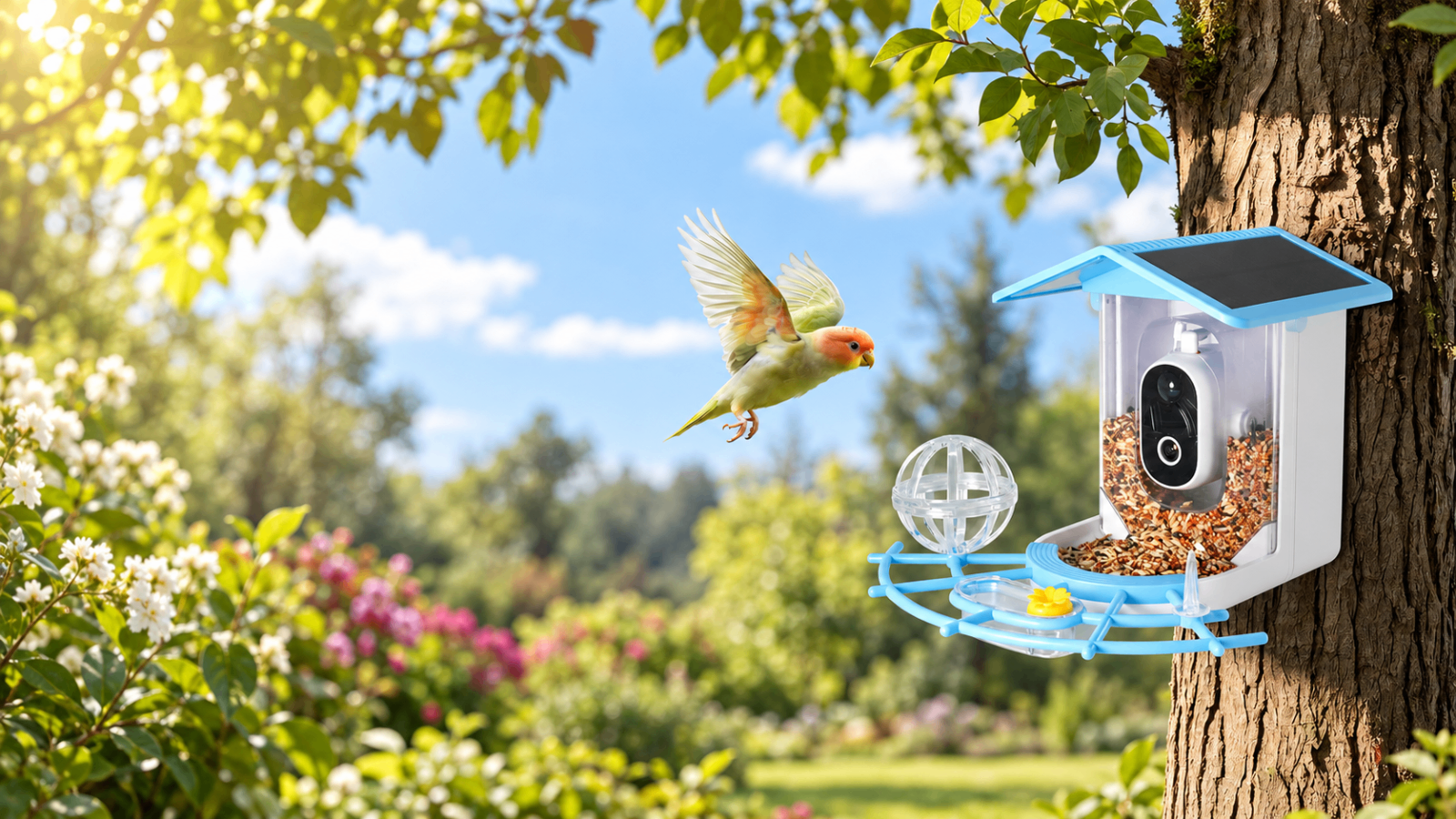
Golden Vision combines smart imaging with practical bird-feeding functions. Its smart bird feeder integrates food storage and feeding, camera monitoring, and bird-visit notifications, alongside AI identification of 10,000+ bird species.
The product also includes intelligent squirrel detection and deterrence, extending its functionality beyond observation to help users manage activity around the feeder.
As a smart security and smart home OEM/ODM manufacturer, Golden Vision works with brands to explore product configurations that bring together imaging, AI features, structural design, and everyday usability.
For businesses entering or expanding within this category, the opportunity lies in making birdwatching easier to enjoy—and the feeder easier to live with over time.